Most pomodoro apps just count down from 25 minutes and ring a bell. That works fine if you already have iron discipline, but if you’re relying on the timer to actually build focus, a bare clock doesn’t do much. You start the session, hit a tricky paragraph, and suddenly your inbox looks really appealing. Focusly: Pomodoro Timer for Deep Work & Focus approaches this problem differently. It treats the timer as a planning tool, not just a stopwatch, which is exactly what most of us need when our attention is fragmented.
The core idea here is session planning. Instead of just hitting "start" and hoping the words flow, you map out your deep work block before the clock starts ticking. Say you’re drafting a long quarterly report. You can allocate the first 25-minute block strictly for outlining the structure, and the next two blocks for drafting specific sections. When the timer starts, you already know what you’re supposed to be doing. It cuts down on that dead time where you stare at the screen trying to decide where to begin, which is usually the exact moment distraction wins.
For students grinding through exam prep, the distraction problem is usually the phone sitting right next to the textbook. Focusly pushes a quiet, minimal interface that stays out of your way but keeps the session visible enough that you feel the cost of abandoning it. There’s no gamification here—you don’t grow virtual trees or earn points. It assumes you actually want to get the work done and just need a better container for your time. That makes the app feel less like a game and more like a practical work tool.
The interface itself is straightforward. You set your focus duration, your break length, and plan out a sequence of sessions if you’re tackling a longer project. It doesn’t overwhelm you with analytics or charts about your weekly focus trends, which is a relief. Some apps try to turn your productivity into a dashboard, but when you’re already struggling to focus, checking your stats just becomes another form of procrastination. Focusly keeps the feedback loop tight: plan it, do it, rest, repeat.
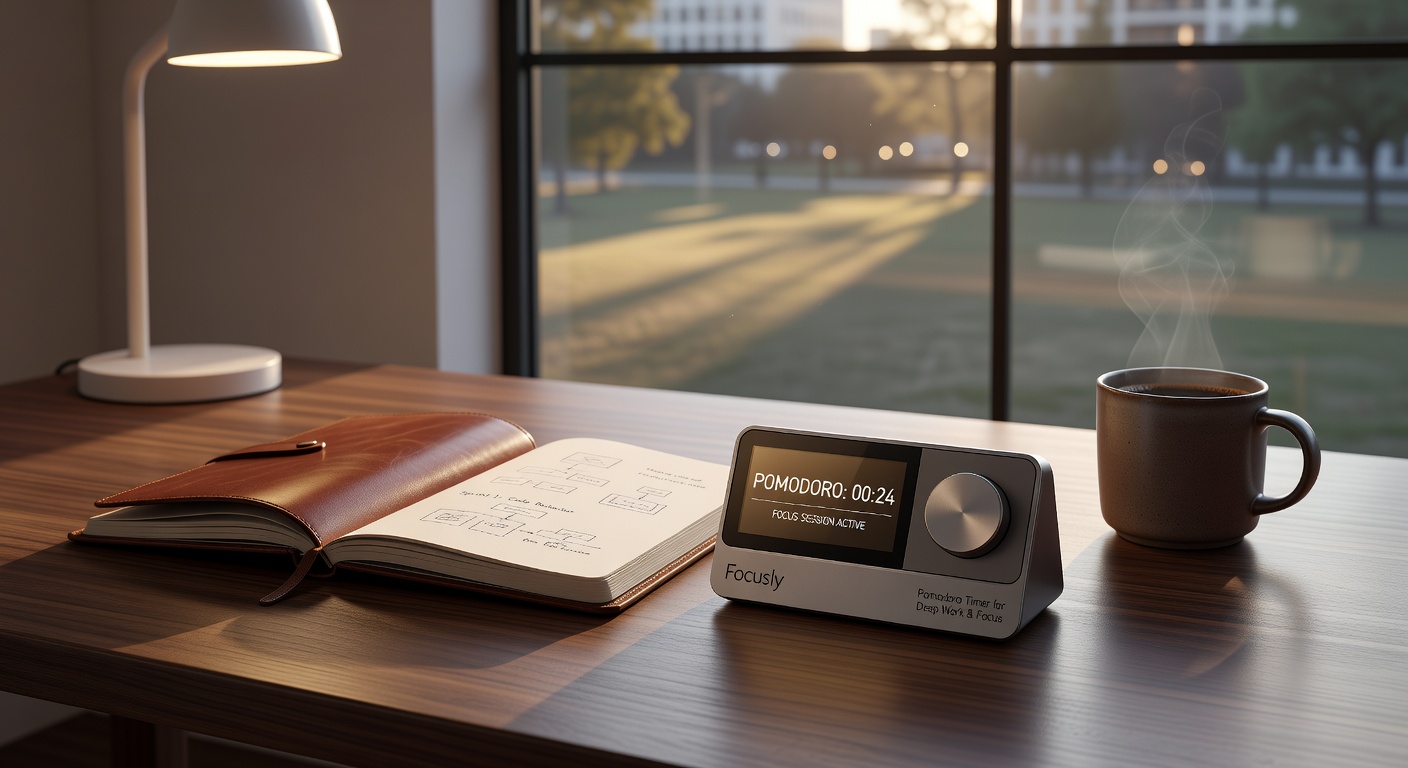
Evaluating the Fit: When Focusly Works and When It Doesn't
Focusly works best when your tasks are self-directed. If you’re a developer deep in a codebase, a writer on a deadline, or a student working through a syllabus, having pre-planned blocks helps you protect your time from internal wandering. You decide what gets done, and the app holds the space for you to do it.
But the tradeoff is rigidity. If your day is driven by inbound requests—like customer support, IT troubleshooting, or constant Slack threads—strict pomodoro blocks can actually create friction. You’ll constantly pause the timer to handle "urgent" interruptions, which defeats the entire point of a deep work session. In those roles, a more flexible time-blocking approach or even a simple phone stopwatch might cause less stress than committing to a formal focus app. You can't force deep work if your job description requires shallow responsiveness.
There’s also the question of alternatives. If you need harsh external pressure to stay off your phone, apps like Forest that kill your virtual tree if you leave the app might be more effective punishment. Focusly doesn’t lock you out of anything. It relies on your own intent to focus, giving you structure rather than discipline. If you know you’ll cheat the timer the second you get bored, a stricter app might be a better starting point.
Building a Stronger Work Rhythm
A pomodoro timer for deep work only works if it changes how you approach your tasks, not just how you measure them. Focusly moves the focus from "counting down" to "planning ahead," which makes it genuinely useful for anyone trying to carve out uninterrupted time in a noisy day. It won’t magically fix a distracted brain, but it gives you a framework to practice building a rhythm, one planned session at a time. If you’ve tried standard timers and found them too easy to ignore, planning your blocks before you start might be the shift you need.
Comments
Leave a Comment